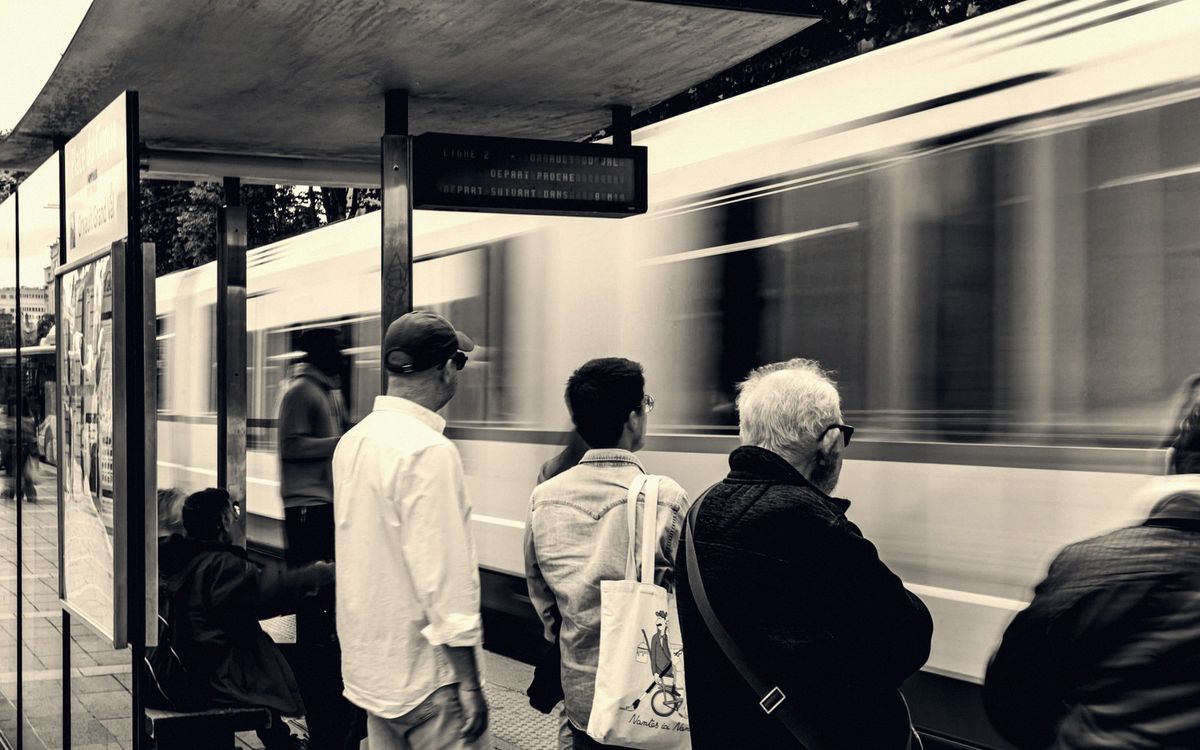
Why Nantes keeps topping France's quality-of-life rankings — the economy, the jobs, and the trade-off of a big-city career at a human scale.
01 France's Most Liveable Career Move
For years, Nantes has sat near the top of the French quality-of-life and employment rankings — not by accident, but because the city made a deliberate bet that a good place to live would become a good place to do business. That bet has paid off. The population has grown steadily to push past 300,000 in the city proper, with the wider metropolitan area approaching 650,000. Businesses followed people, and people followed businesses, until the cycle became self-reinforcing.
The economic backbone is more diverse than outsiders expect. Aeronautics and aerospace — Airbus has a significant presence here — anchor the industrial side. Agri-food, digital and creative industries, healthcare and biotech, and a growing financial-services cluster fill in the rest. The result is an economy that doesn't bet everything on one sector, which matters enormously when sectors go through turbulent patches. The start-up scene has found a home too, particularly around the creative and digital ecosystems that grew in the wake of the city's broader cultural reinvention.
A working life that rarely requires you to choose between ambition and actually enjoying where you are.
02 The Human-Scale Advantage
The pitch that Nantes makes to mobile talent — and it does pitch, actively — comes down to a simple comparison: Paris salaries rarely compensate for Paris costs, Paris commutes, and Paris stress. Here, the average commute is short enough to be measured in minutes rather than spirit-breaking hours. The tram network is fast, the city is largely cyclable, and the reality of living in Nantes — lower rents, a real food culture, genuine green space — means that what you earn goes further and what you spend your weekend on is genuinely enjoyable.
That quality of life is not incidental to the economy; it is the economy's selling point. Companies that want to retain engineers, designers, and project managers find that people are willing to take a call from Nantes in a way they are not always willing to relocate to Lyon or Bordeaux. There is a particular draw for people in their thirties who want to stop bleeding money in the capital and start actually living somewhere.
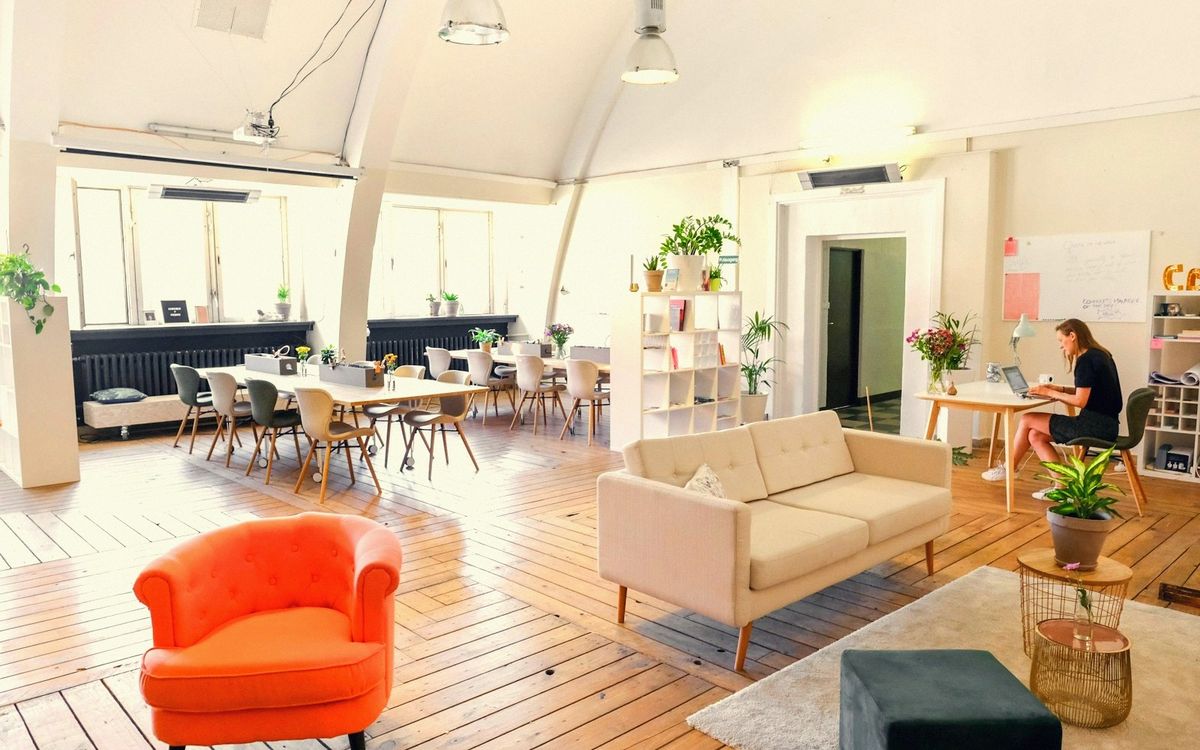
The coworking infrastructure has expanded to match. The Île de Nantes alone hosts a cluster of studios, ateliers, and shared workspaces that grew naturally out of the island's reinvention from shipyard to creative quarter. The architecture school, design agencies, and tech firms operating in proximity to each other create the kind of productive friction that city planners attempt to engineer and usually fail to produce on command.
03 The Trade-Off, Honestly
None of this means Nantes is Paris-lite with better weather. The salary ceiling in certain sectors is genuinely lower, and anyone expecting a global finance or luxury-industry career will find the options limited. Senior roles in some specialisms simply don't exist here at the density they do in the capital. The city knows this, and the honest answer it offers is: then perhaps those aren't the only metrics worth optimising for.
For the growing cohort of people who have decided — accelerated by remote-work habits that are now partially embedded — that where they live matters as much as what they earn, Nantes makes a compelling case. The rankings that keep placing it at the summit of French livability surveys are not PR confections. They reflect a city that built cultural life, transport, green space, and economic opportunity in the same generation, in the same place, largely by design.
The result is a working life that rarely requires you to choose between ambition and actually enjoying where you are. That remains, in France or anywhere else, genuinely rare.