The Atlantic is about an hour west, the Loire runs through the middle, and the larder that results is one of France's most quietly exceptional.
01 The larder: salt, river and sea
Nantes sits at the hinge between ocean and river, and its food has always reflected that. The Loire delivers pike, perch and the fleshy sandre (zander); the Atlantic sends back oysters, mussels and the fine sole of the Vendée coast. From the marshes around Guérande, less than an hour away, comes some of the most celebrated salt in the world — sel de Guérande and its powdery upper layer, fleur de sel, both fixtures on serious Nantes tables. Nearby, the Loire-Atlantique bocage and the Pays de Retz produce duck, pork and the white-fleshed volaille that disappears into the city's markets on a Tuesday morning.
And then there is the beurre blanc. France's most famous butter sauce was born in Saint-Julien-de-Concelles, a village barely fifteen kilometres upriver. The origin story, probably embellished but too good to abandon, credits a cook named Clémence Lefeuvre who forgot to add eggs to a béarnaise reduction and produced something arguably better: shallots, Muscadet, vinegar and a great deal of cold butter, whisked into an emulsion that should be silky, just trembling, faintly sharp. You'll find it on every brasserie menu in town and, when made right, it's still a revelation.
Nantes eats at the market before it eats out.
02 Markets first, bistros second
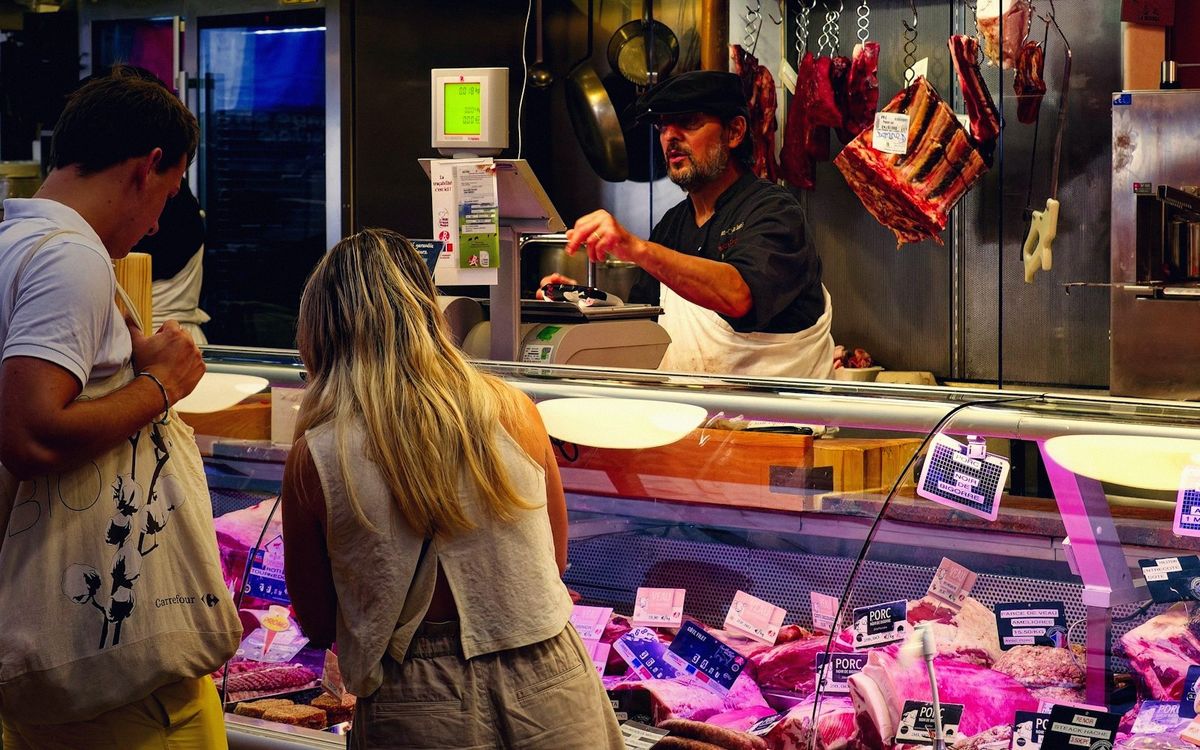
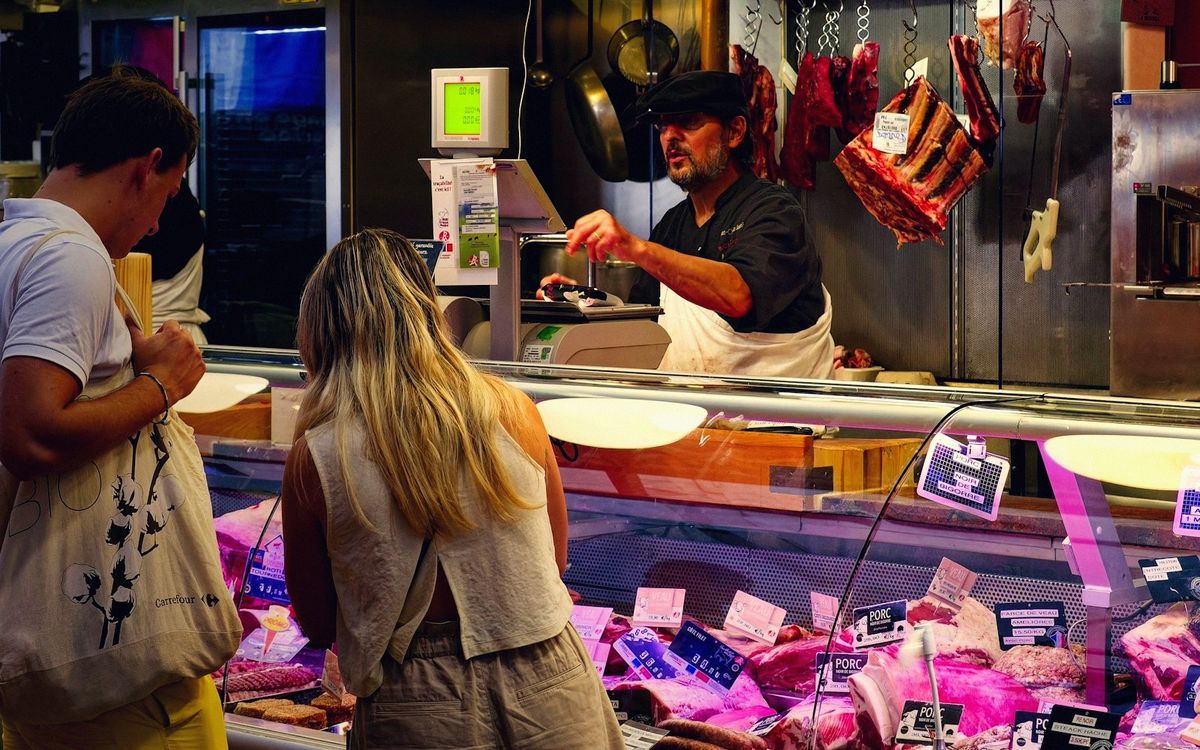
Nantes eats at the market before it eats out. The Talensac market is the city's main act — an indoor-outdoor covered hall north of the château that runs six mornings a week and peaks on Saturday, when the stalls extend into the streets and half the city seems to squeeze in. Cheese, charcuterie, vegetables from the Loire valley's famously fertile floor, oysters opened to order: it is not picturesque in a curated sense, but it is alive in the way that counts.
Beyond Talensac, each quartier has its own market rhythm. The Sunday market on the Île de Nantes has grown around the new restaurants and bars of the island's reborn southern quays. The covered Marché de la Petite Hollande, on Place du Commerce, runs to lunchtime. Going to one of these is not optional — it is how you understand how the city eats.
The bistro culture is strong and deliberately unfussy. Nantes never fully went the way of the gastronomic temple; it is too relaxed for that, too rooted in the Atlantic idea of eating well without ceremony. The Bouffay quarter concentrates the older brasseries and the cheerfully loud moules-frites spots beloved of students and visitors alike. But the better eating has drifted: to the Rue des Olivettes, to the streets around the Château, to the creative tables opening along the Quai de la Fosse and on the Île de Nantes itself, where a younger generation of chefs are working the same local larder but with sharper technique and a willingness to experiment.
03 What to order
Start with a dozen oysters from Vendée or the Morbihan coast, opened cold, dressed with nothing or a small jug of mignonette if you must. Follow with sandre from the river, probably paired with — yes — a beurre blanc. Drink Muscadet: the wine grown in the very vineyards this city looks across, a lean, mineral Melon de Bourgogne that was misunderstood for decades as cheap-and-fizzy and is now, in the hands of committed producers, one of the most interesting whites in France. At the right table in Nantes, a Muscadet sur lie aged for three or four years is a match for Burgundy at twice the price.
End with gâteau nantais — a rum-soaked almond cake with a thin icing, easy to dismiss as a souvenir-shop confection and genuinely excellent when bakeries make it seriously, which the good ones do.
Nantes doesn't shout about its food. It doesn't need to.
Who The people
Clémence Lefeuvre
Cook · Saint-Julien-de-Concelles
Credited, legendarily, with inventing beurre blanc upriver — a forgotten step that became a sauce.