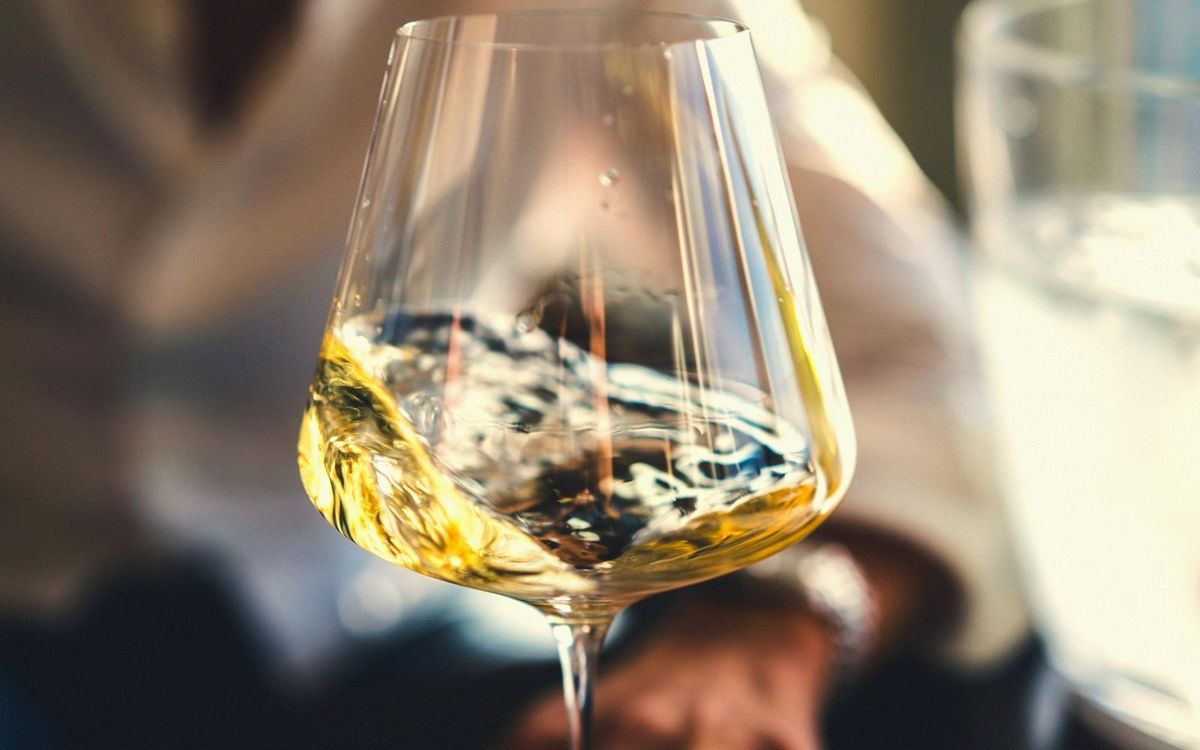
Café terraces at sundown, natural wine poured generously, and the island after dark — Nantes knows how to close a day.
01 The city's drinking culture, from first coffee to last glass
Nantes drinks well and without pretension. The ritual starts early — a café allongé at a zinc counter, ideally in the Bouffay quarter where the old-town lanes fill up before the working day properly begins — and it doesn't really stop until the island goes quiet, which in summer is not early at all.
The apéro hour is taken seriously here. Terraces open the moment the sun obliges, and on the quays along the Loire the habit is almost civic: a glass of Muscadet in hand, facing the water, watching the light go off the river. It's a crisp, saline white built for exactly this moment. Local bars — particularly those around the Place du Bouffay and the Rue Santeuil student strip — will pour it without ceremony for not very much money, which is as it should be.
A good evening starts on a terrace in Bouffay and ends up on the island without quite knowing how.
The natural-wine scene has grown quietly but seriously over the past decade. A cluster of small bars and wine caves has taken root around the Talensac neighbourhood and along the Rue des Olivettes, run by people who know the Loire Valley intimately — its Muscadet sur lie, its Anjou reds, its Fiefs Vendéens oddities. These are not wine-snobbery establishments; they're the kind of places where the barman opens something interesting because you looked curious. Go in the early evening, take a seat and let them guide you.
The Île de Nantes is where things shift register after dark. The former shipyard zone has developed a genuinely alive nightside — bars and event spaces built into repurposed industrial buildings, a few terraces overlooking the cranes kept as monuments, and a crowd that mixes art-school students, architects, and people who simply like being near the Loire at night. The energy is low-key but real, and the programming at some of the island's venues spills from exhibition openings into dancing without anyone making an announcement.
Craft beer has arrived properly too. Several bars across the city now carry local and regional small-batch brews alongside the wine, and the gap between the two cultures — natural wine people, craft beer people — is narrower in Nantes than elsewhere. Nobody is precious about it.
One practical note: Nantes is compact enough that none of this requires planning. A good evening here tends to be one that starts on a terrace in Bouffay, migrates to a wine cave for a second glass, and ends up on the island without quite knowing how.